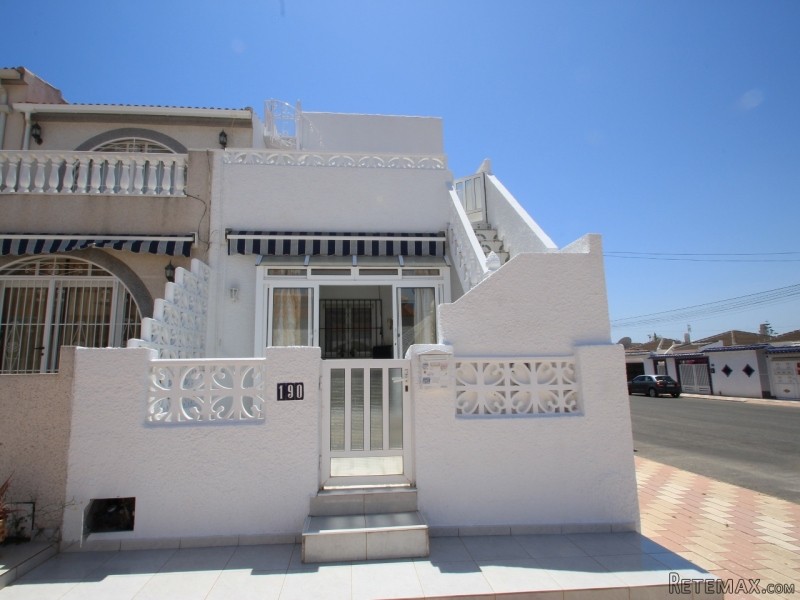
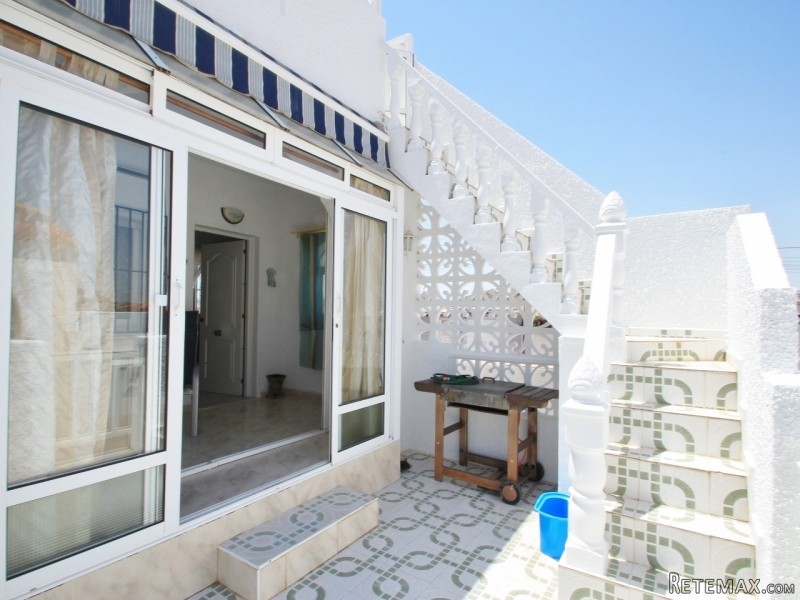
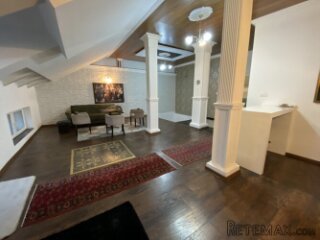
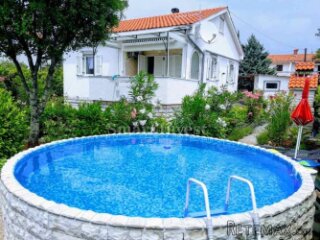
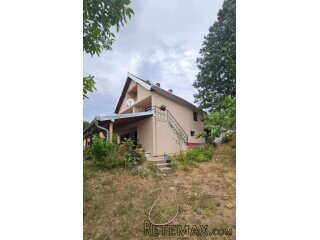
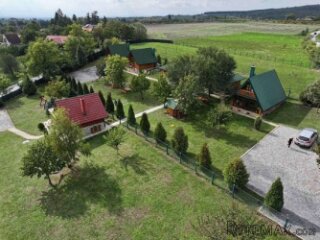
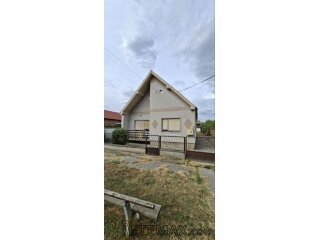
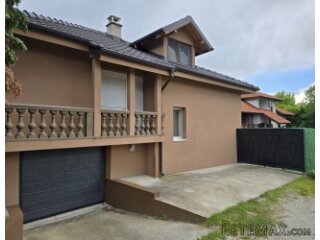
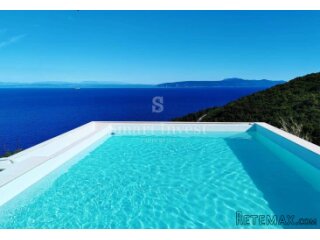
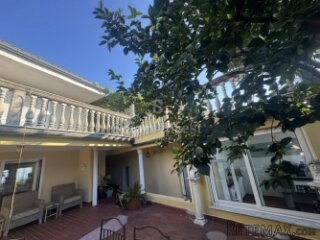
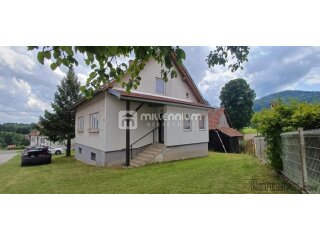
Corner bungalow with 2 bedrooms, 2 bathrooms, living-dining room, open plan fully fitted kitchen, 2 terraces, A/C.Urb. La Siesta- is a quiet and tranquil area in the surroundings of Torrevieja. Next to the natural park and only 4 km away from the beaches of Torrevieja and La Mata its within walking distance to all kind of amenities and services, like restaurants, bars, supermarkets, pharmacies, a water park and a public clinic. It is the ideal location to enjoy the sun and commodities of living in Torrevieja but avoiding the noises and traffic of living in the center of the town. As for its neighbors, La Siesta is mainly filled with Townhouses and villas, and populated mostly by families. A culture rich community formed by people coming from all Western Europe countries, with a healthy social live and activities to enjoy throughout the whole year, like bowling, biking, horse riding, etc.Why chose Torrevieja, here is a little history - Until 1802, Torrevieja existed only as an ancient guard tower, which gave the town its name (Torre Vieja which means Old Tower) and some labourers' cottages. But in 1803, Charles IV authorized the movement of the salt production offices from La Mata to the town itself and allowed the construction of dwellings there. In 1829, the town was totally destroyed by an earthquake, but the basins were soon reconstructed and re-opened. In 1931, Alfonso XIII gave Torrevieja city status by special grant. During this period, there was also a growing market for flax, hemp and cotton. In the 19th century, the salt was mainly shipped from the town by Swedish and Dutch ships. At the time, there was only limited demand from other regions of Spain, mainly Galicia and to a lesser extent, Valencia. Although by the dawn of the 20th century, a quarter of all the salt harvested from the lagoon in Torrevieja was sold in Spain itself, and the rest exported was to foreign markets. Today, it is still an important industry in Torrevieja and a major employer. You can visit the Museum of Sea and Salt. In recent years, the local economy has hugely expanded due to the tourist industry. This includes both a strong contingent of British, Irish, Germans and Scandinavians, many of whom live there all the year round, and Spanish people who have a second home in the city.
 Nissan Juke 1,6
 Mazda CX-5 2.2 CD150
 Alfa Romeo Giulia 2.2 180
 Torpedo 7506 Moguca zamjena za Universal
 Fiat 500 1.2 8V
 Rubi....Remarkable AKC Black/Tan GS Fema
 Scooter Kymco 50 4T
 Mazda CX-5 CD 150 CHALLENGE
 Predivno ladanjsko zrcalo
 Audi A4 2,5 V6 TDI
 Poljoprivredno zemljište, Istra, Kavran, 3..
 Chrysler 300C 5.7 V8
 Prikolica za Tomo Vinković
 Sport Aprilia RST 1000 Futura