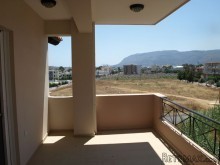
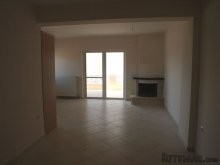
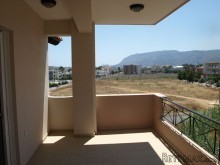
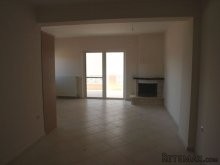
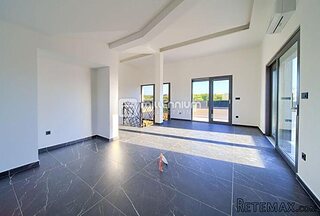
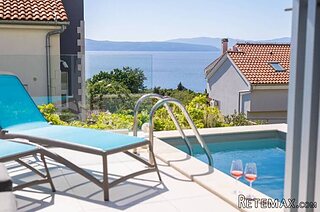
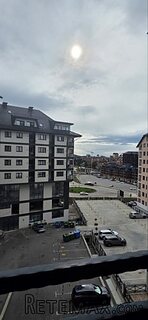
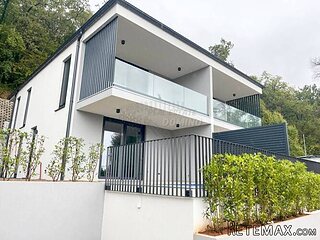
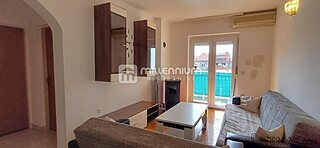
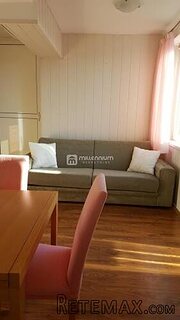
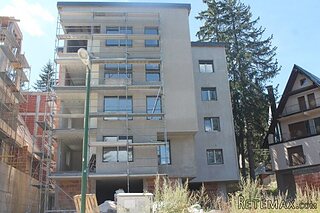
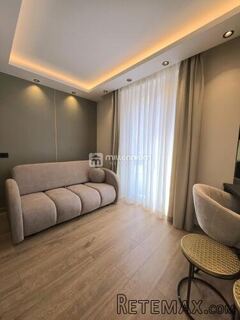
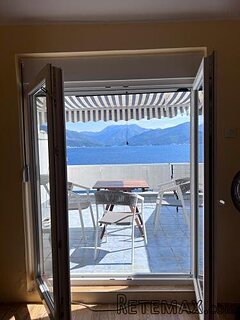
Both apartments are arranged on the third floor of a small brand new block, provide bright and stylish living space, and are close to the great amenities of Chania city, a step to the new as well as the old town.
Three bedroom apartment – 94m²
This stunning three (3) bedroom apartment comprises of an impressive living room with fireplace included, modern kitchen with ample space for dining and balcony accesses from both spaces to relax at. A Master bedroom with en suite bathroom is also there, the second bedroom with fitted wardrobes, another good sized bedroom and one (1) bathroom.
Price: 180.000 Euros
Two bedroom apartment – 84m²
This magnificent apartment offers two (2) good-sized bedrooms and bright, contemporary interiors throughout. The property comprises of an extensive living room with ample dining space and high-specification open-plan kitchen, both with balconies to spend your spare time at. Additionally found are the master bedroom with fitted wardrobes and balcony in privacy, as well as the second bedroom.
Price: 145.000 Euros
Both apartments feature central heating, solar panels, security doors, double glazed windows, fly screens, storage space, roof insulation as well as private covered parking space.
Location
Welcome to Chania, a beautiful and picturesque city with reminders of the past at every corner. Chania is the main town in the west of Crete, with the second largest population after Heraklion.
It is divided into two parts. The New Town which is where the day to day business of the Chania goes on, with its shops and offices, the post office and banks, the renowned indoor market and the bus station, and the Old Town, built around the Venetian harbour with numerous picturesque narrow streets and architecture showing the influence of decades of foreign domination. Recent excavations have established that the ancient city of Kydonia was located here also. The first thing a visitor sees when reaching the town of Chania is the Venetian harbour and castle (Firka fort).
This image of the town has remained unspoiled throughout the years, bringing back memories, when Chania was the governing capital of Crete and the independence of the island was declared.
The town of Chania will be the starting point, to familiarize you with the prefecture. The graphic seaside or mountainous villages have their own pace of life, the famous Samaria gorge, the steep White Mountains of Crete, the endless beaches of the Livikon Sea, the unspoiled seashores of Western Crete and the small islets make up this beautiful island. An island with wild, natural beauty, basking in sunlight and the blue sea captivates visitors from the first moment and guarantees further visits. Chania is the capital of the prefecture because of its geographic position and commercial activity. For many years was the governing centre of Crete and throughout history has been under Arab, Venetian and Turkish occupation. As a result, a blend of civilizations and unconquerable Cretan spirit make up this island.
The city dates back to the Neolithic period and recent archaeological digs on the acropolis of Kasteli have uncovered remains of a significant Minoan community. Known as Kydonia in the past it was one of the most important cities of Crete right up to the Arabian seizure in 824 AD. The Venetians purchased Crete in about 1204 but lost it to the Genoese between 1267 and 1290. The city of Chania was rebuilt on the site of the Byzantine acropolis in 1252 and after improving the fortifications at Kastelli the Venetians built their own cathedral plus many palaces and houses in the surrounding area for their people. In 1645, after a two month siege with terrible losses, the Turks overwhelmed the whole island. Chania became the Turkish island capital. Its churches were converted to mosques.
Every new building is designed and constructed with Turkish rhythms and many constructions like baths (hamams) mosques are saved from those years. The Turks were expelled in 1898 when Prince George became the High Commissioner of Crete, though the actions of the Great Powers of Britain, France and Russia.
The official union of Crete with the rest of Greece, on December 13th, 1913, with the raising of the Greek flag on Firka fort, led to a cease in turmoil and hard oppression on the proud and brave Cretan people. This pride and bravery was last called on to fight against German occupation, when Chania was turned into a battlefield in 1941 (battle of Crete). With distinguished gallantry, the residents battled with the 3.500 German parachutists, in the area of Maleme (20 km west of Chania). That same year, the town of Chania was bombarded, destroying the largest part of the Venetian citadel and eastern district of Splantzia.
Worth visiting:
* The old town, around the Venetian harbour, where you can see many graphic homes and buildings from the Venetian period, giving the town a special atmosphere. It is also the centre of night-life with many bars and clubs. Don't forget to visit the lighthouse and Firkas fort where during the summer months, many theatrical performances and shows take place at the fort, which is also a naval museum.
* Skridlof Street, where visitors can find a great selection of handmade leather goods. This area also called "Stivanadika".
* The archaeological museum, on Halidon Street, has findings from all the prefecture of Chania.
* The famous Municipal market of Chania "Agora" shaped in a cross, situated in Sofoklis Venizelos square.
Why Greece?
* It has strict build density regulations, which will avoid major developments in future and thus overbuilding
* Only 3½ hours from London and many European cities making it a viable weekend break holiday destination
* Voted by the Lonely Planet Guide 2010 as one of the top 10 countries in the world to visit
Price (Euros) 145000 / 180000
Build area (m²) 84 / 94
Number of bedrooms 2 / 3
Fire place yes
Baths 1 each
Air Condition yes
Central Heating yes
Electricity yes
Water yes
Distance to airport, km 15
Distance to beach, km 6 (Agioi Apostoloi)
Other Distance 1,2 (Municipal Market)
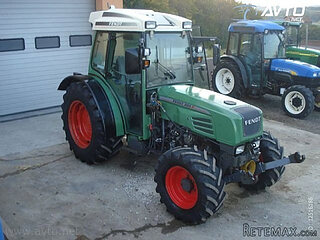 Traktor FENDT 209P
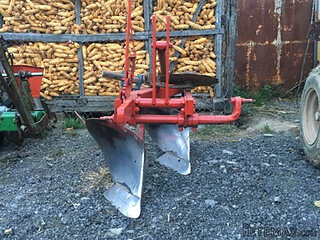 Prodajem plug Imt 755
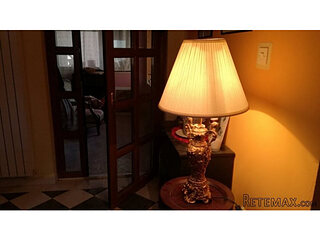 STOLNA LAMPA - UNIKAT I ANTIKVITET
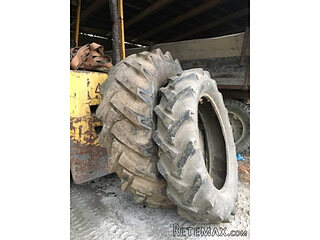 Prodajem gume 14.9-28 i 11.2-28
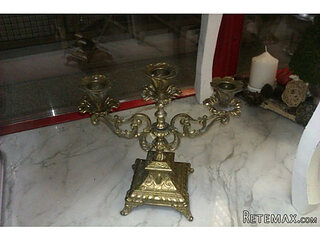 Mesingani svijećnjak
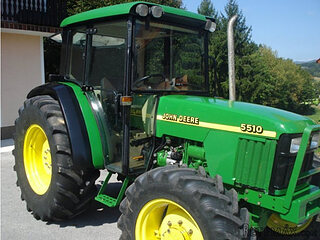 JOHN DEERE 5510
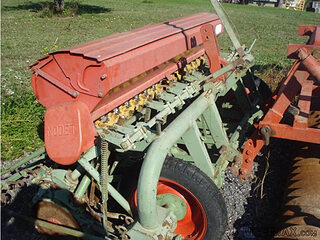 SIJAČICA ZA ŽITO
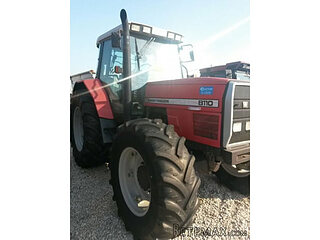 Massey ferguson
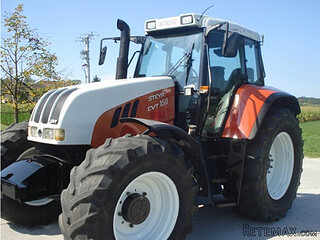 Traktor STEYR CVT 150
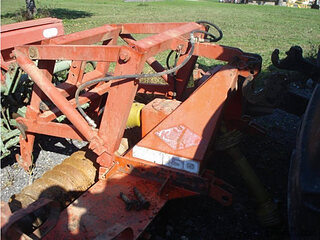 ROTO ORLJAČA KUHN 250-30
 Viličar Hyster 3.5T
 Traktor John Deere 7810
 BMW X6 30d Xdrive 1.VLASNIK
 17' Boston Whaler 170 Dauntless 2020