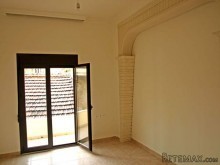
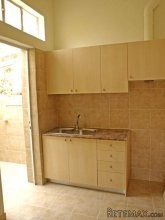
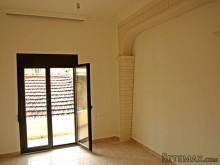
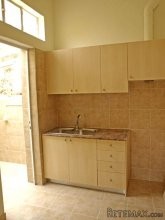
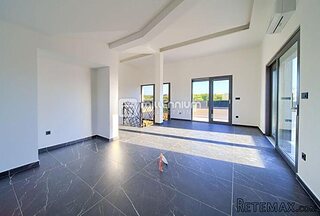
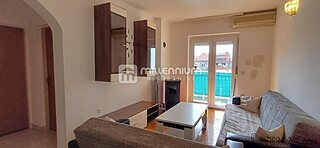
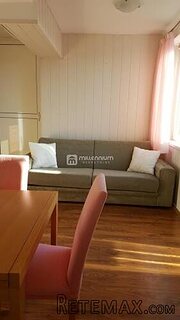
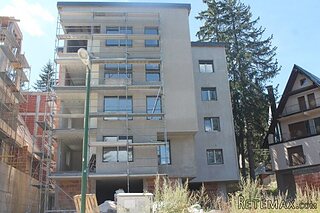
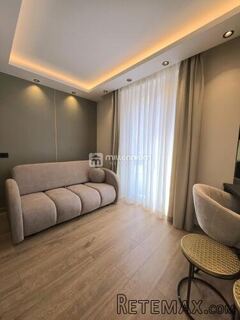
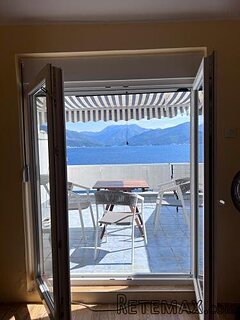
In most desirable city location this recently upgraded First Floor Apartment of 60m² for sale is ideal for the 1st time buyer who wants to be part of the Cretan Modern life.
This 35year old apartment is coming with good sized living room, kitchen, two (2) nice and bright bedrooms with balcony, and one (1) shower room.
Location
The property for sale is just moments from the picturesque, lovely centre of Chania, its famous market hall (50m), the old town, and the Venetian harbour.
Chania is the westernmost prefecture of Crete. It has an area of 2.376 km and approximately 134.000 residents, the second largest population in Crete after Heraklion The town of Chania, which is also the prefecture's capital, has obtained a great reputation throughout history. Walking on narrow streets of the Old Town you taste the historical atmosphere, meeting the ornaments of Chania, the Venetian harbour and castle. The old town is also the centre of night life. While visiting Chania, you have the chance to visit many archaeological sites which still bring memories of the foreign occupation. Arabs, Venetians and Turks left their marks in the town of Chania. You will be really enchanted by its picturesque houses, churches and its special architecture. Furthermore, the prefecture of Chania has the greatest beaches in Crete! Sandy beaches getting wet by the crystal light-blue waters of Libyan Sea creating an unforgettable landscape. The islets and the mountainous villages give an exotic image to this part of Crete! If you love unspoiled beautiful nature, you should visit the famous Samaria gorge or the steep mountains of Chania, called White Mountains.
Chania is the ideal vacations destination. Luxury hotels, villas or apartments are waiting for you so as to experience what you will never forget! This charming port town is full of flavours, aromas and a most distinct character. The "Old Town" presents a colourful blend of architectural influences predominantly Venetian, and boasts a lively café culture. Visitors have a vast selection of accommodation from luxury hotels and resorts to camp grounds and youth hostels. As for your palate you will be delighted to savour scrumptious local delicacies and heavenly local wines and spirits.
A Historical Overview
During the Historical Period of antiquity Chania, then known as Kythonia, seems to have been a powerful city-state. Its domain extended from Chania Bay to the foothills of the White Mountains. Kythonia was constantly at war with other city-states such as Aptera, Falasarna nad Polyrrinia. In 69 B.C. the Roman Consul Cointus Metellus defeated the Cretans and conquered Kythonia to which he granted the privileges of an independent city-state. Kythonia reserved the right to mint its own coins until the 3rd century A.D. The Roman conquest put an end to the civil wars and a period of peace began, unique in the history of the island. Ancient Kythonia was the same size as the modern city of Chania at the beginning of the 20th century.
First Byzantine Period
Information about Kythonia during Christian Years is limited. The most significant archeological finds are the remains of a Basilica, discovered recently near the Venician Cathedral in the centre of Kasteli. Various sources mention the Diocese of Kythonia and the Bishop Kythonios, who participated in the Sardinian Synod in 343 A.D. Kythonia is also mentioned among the 22 most important cities of Crete in the "Document of Ieroklis" in the 6th Century. The Kythonia Diocese is mentioned as well in all the "Ecclesiastical Minutes" recorded before and after the Arabian Occupation.
The Arabian Occupation
The Arab occupation of Crete occurred gradually from 821 to 824. The consequences of the arrival of the Arabs were devastating for the local population. They were subjected to a long and horrible period of slavery, resulting in the alienation of Crete from the Byzantine Empire. Saint Nicholas Stouthitis was born in 763 in Kythonia, but he left at the age of 10 to go to Constantinople. In 961, Nikiforos Fokas managed to free Crete and bring it back under the control of the Byzantine Empire.
The Byzantine Period
The first action of the Byzantine Empire, after re-conquering Crete, was to re-establish their authority and power. Not were all traces of the Arab occupation abolished but also the defense of the island had to be organized quickly in order to avoid any Arab attempt to take back the island. Strong fortifications were constructed along the coast and at strategic positions. The hill of Kasteli is fortified with a wall along its perimeter which was constructed using building materials taken from the ancient city. It is still regarded as a remarkable military accomplishment and proof of the continuous existence of the city during the period between the Arab and the Venetian occupations.
The Venetian Occupation
In 1204, after the 4th Crusade and the decline of the Byzantine Empire, Crete was given to Bonifacio the Marquis de Monfera. He, in turn, chose to sell it to the Venetians for 100 silver marks. In 1252 the Venetians managed to subdue the locals as well as the Genoans who, under the leadership of the Count of Malta Henrico Pescatore, had seized Crete. Chania was chosen as the seat of the Rector (Administrator General) of the region and flourished as a significant commercial centre due to the fertility of the land. Contact with Venice lead to the social, economic and cultural conditions necessary for the growth of a culture strongly affected by both Venetian and local elements.
The Turkish Occupation
The Turks landed near the Monastery of "Gonia" (Corner) in Kissamos which they plundered and burned. They seized the fortified isle of "Agioi Theodori" and, after a two month siege, the City of Hania fell on 2nd August 1645. A new state of affairs prevailed in the city, churches were turned into mosques and Christian fortunes were commandeered by the conquerors. The Turks kept mostly in the eastern districts, Kasteli and Splanzia, where they converted the church of St Nicholas of the Dominicans into their central mosque "Houghiar Tzamissi" (The Sovereign's Mosque). Besides turning catholic churches into mosques, they built new ones such as "Kioutsouk Hassan Tzamissi" on the harbour. They also built public baths (Hamam) and fountains. In 1821 many Christians were slaughtered and the Bishop of Kissamos, Melhisethek Thespotakis was hanged in Splantzia. In 1878, the Treaty of Halepa was signed and the Christians were granted certain rights. In 1898, the semi-autonomous "Cretan State" was established and the city of Chania flourished as the Capital of Crete.
Why Greece?
* It has strict build density regulations, which will avoid major developments in future and thus overbuilding
* Only 3½ hours from London and many European cities making it a viable weekend break holiday destination
* Voted by the Lonely Planet Guide 2010 as one of the top 10 countries in the world to visit
Price (Euros) 78000
Build area (m²) 60
Number of bedrooms 2
Baths 1
Electricity yes
Water yes
Distance to airport, km 15
Seaport Distance, km 6
Distance to beach, km 4
Other Distance 0,05 (municipal market)
Property State Recently Renovated
Age 35years
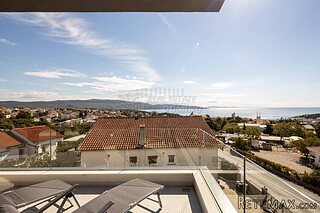
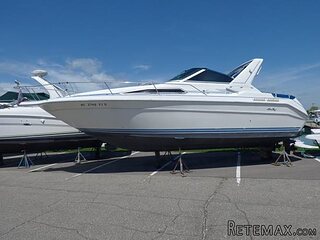 28' Sea Ray 280 Sundancer 1990
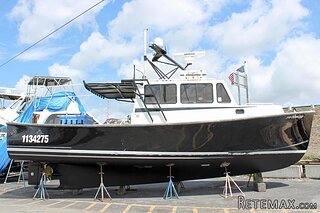 38' Duffy 38 2003
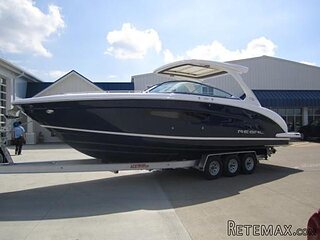 33' Regal 3300 Bowrider 2018
 23' Pursuit 235 Dual Console 2018
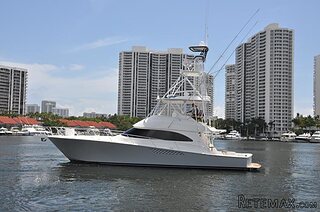 55' Viking 55 Convertible 2013
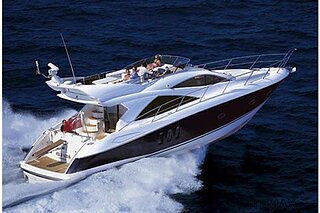 50' Sunseeker Manhattan 50 2006
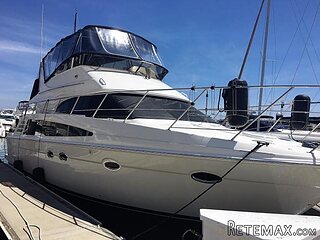 44' Carver 43 Super Sport 2007
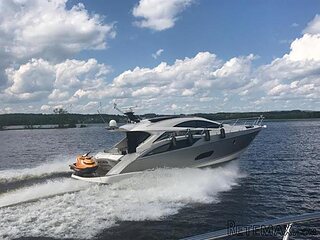 50' Marquis 500 Sport Coupe 2009
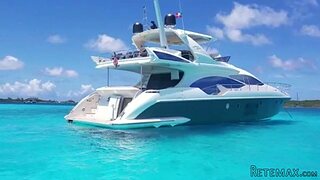 70' Azimut 70 Flybridge Trade In 2010
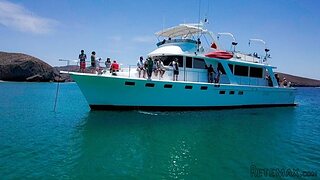 70' Elliott Custom Luxury Sports Fish..
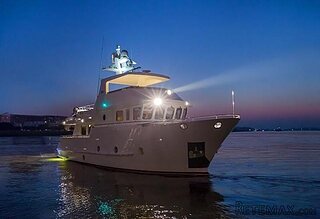 65' Bering Pilothouse 2013
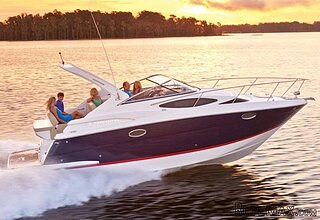 30' Regal 30 Express 2015
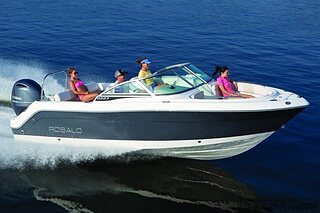 22' Robalo R227 Dual Console 2018
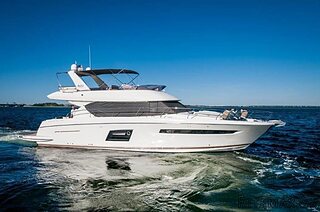 62' Prestige 620 Flybridge 2014